
Owned Fan Relationships. Built in sport. Made measurable. Made direct.
Owned fan relationships in sport are the answer to a structural problem: no other market has the emotional potential of sport — and none wastes it so systematically. Brand & Story builds sport digital ecosystems — the infrastructure that turns fan emotion into an architecture: Story, Platform and Value Creation.
On this page
What is a sport digital ecosystem?
A sport digital ecosystem is the connected infrastructure of identity, first-party data, platform, content, monetisation, sponsorship and operating model that lets a sport organisation manage fan relationships beyond isolated tools or campaigns.
The point is not another website, app or CRM project. The point is a system in which reach can become registration, registration can become fan data, and fan data can become direct revenue, better sponsorship proof and stronger owned fan relationships.
Why sport is the ideal context for Owned Fan Relationships.
Nowhere is the emotional bond between organization and audience as strong as in sport. Nowhere is the gap between potential and realized value as large.
Fans are willing to build real relationships — to pay for membership, share data, buy products. This willingness has been given away for decades: to social media platforms, ticketing partners and broadcasters. The data stayed elsewhere.
The Fan Relationship System brings that relationship back — with Identity, First-Party Data and with a clear value creation logic.
Sport digital ecosystems: one problem, three contexts.
Leagues
Teams & Clubs
Fan enthusiasm as a product — but no D2C foundation, no membership system, no Identity Layer. Content without conversion logic. Social dependency as a risk.Federations & Rights Holders
Often the largest reach with the weakest data infrastructure. Events without a follow-up system. International audience without international First-Party Data.Direct fan access as a strategic asset.
Direct fan access is the only stable foundation — independent of changing media contracts and licensees.

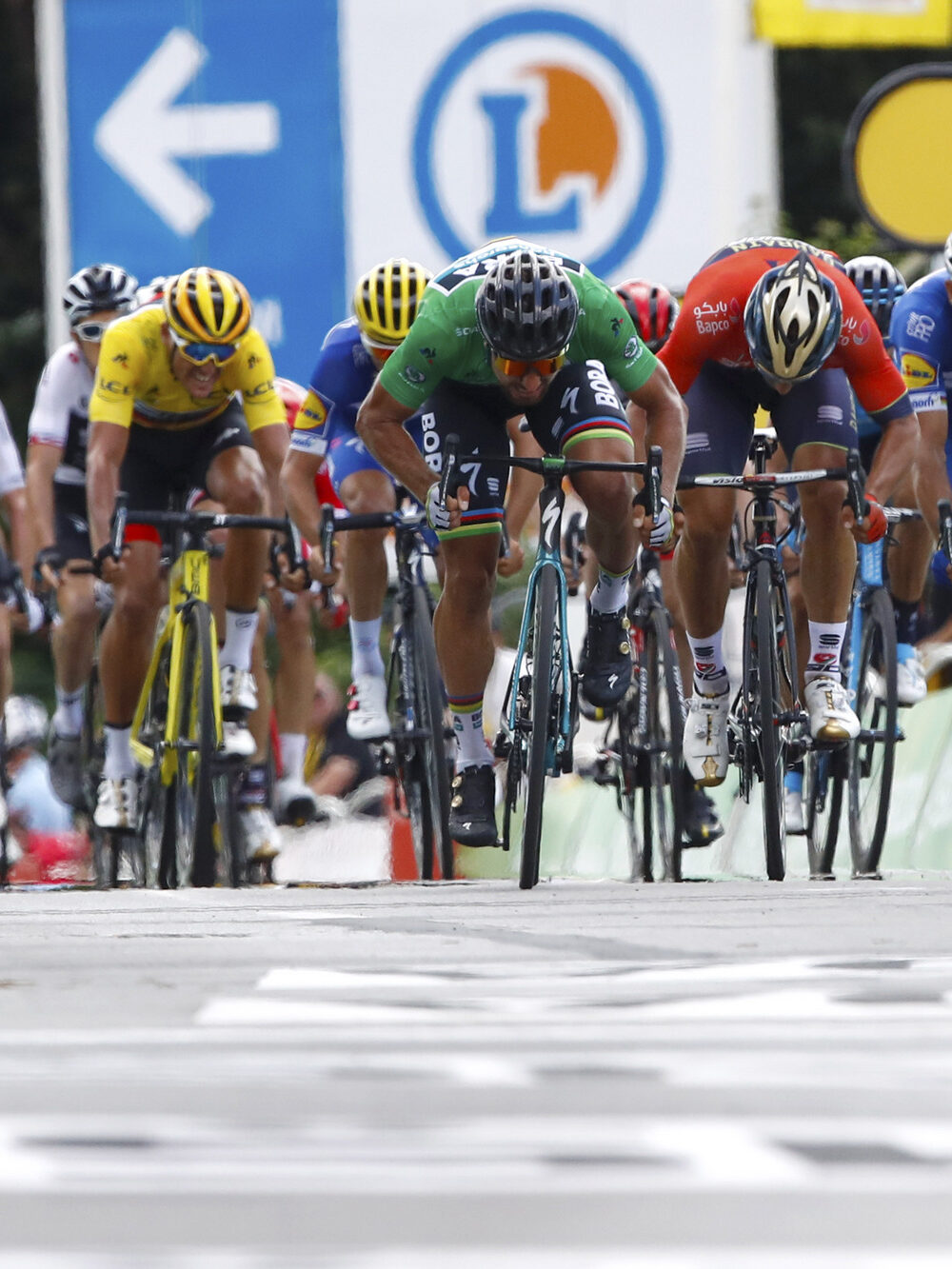
Translate fan emotion into direct revenue.
D2C, Membership, digital products — Brand & Story builds the systems. With 8 years of experience at UCI WorldTour team level.
International reach. Own fan data.
Events, championships, national teams — enormous fan potential that goes untapped after the event. Brand & Story builds fan ecosystems that work beyond events.
Media rights monetization.
Anyone who owns sports rights has the foundation for Owned Fan Relationships. The question is not whether — but how fast.
How the Fan Relationship System works across the sporting year.
Sport has clear rhythms: matchdays, offseason, big moments. A functioning Fan Relationship System activates in each of them — differently, but consistently.
Matchday Data Activation
Every match creates fan activity: ticket scans, app opens, live content consumption, in-stadium engagement. An Identity Layer connects these data points under one fan profile. Result: real matchday fan profiles instead of anonymous spectator numbers.
Offseason Engagement & Retention
The offseason is the hardest stress test for fan relationships. Without a content system and membership infrastructure, an organisation loses 60–80% of the season’s activation effect. With an engagement system: early renewals, pre-season hype, athlete content, merchandise campaigns — driven by First-Party segments.
Transfer, Title, Record
Transfers, titles, records — moments that generate millions of impressions. With owned infrastructure: short-term hype becomes registered profiles, membership conversions and sponsorship activation events with measurable ROI. Without infrastructure: impressions fade on third-party platforms.
Story + Platform + Value Creation — in sport.
Fan Engagement with system logic. Matchday, athlete and community stories as targeted relationship drivers.
Identity Layer + First-Party Data + App/Web/Ticketing under one fan identity.
D2C, Membership, Sponsoring Intelligence directly from fan data.
30 min · Free · No pitch
Frequently asked questions — sport context.
What is a sport digital ecosystem?
A sport digital ecosystem is the connected system of identity, first-party data, platform, content, monetisation, sponsorship and operating model that turns fan reach into owned fan relationships. It is not only a website or app; it is the infrastructure that lets a sport organisation know, serve and monetise fans directly.
How is a sport digital ecosystem different from a website or app?
A website or app is a touchpoint. A sport digital ecosystem connects touchpoints through a shared fan identity, data model and value creation logic. The ecosystem makes registration, behaviour, preferences, ticketing, commerce and sponsorship intelligence work together instead of living in separate tools.
Which layer should a sport organisation fix first?
Usually the Identity Layer. Without known fans, first-party data remains weak, personalisation stays generic and monetisation depends on campaigns instead of relationships. The Fan Relationship System Assessment is designed to identify the layer currently blocking ownership.
For which sports disciplines is the Fan Relationship System relevant?
For any sport with a digital audience and a need for direct monetization. Primarily: football, cycling, basketball, tennis, motorsport, winter sports — wherever leagues, teams and federations operate or want to build their own platforms. The system logic is sport-agnostic; the specific data points (matchday, season, transfers, fantasy) vary.
Which sport-specific data are most valuable?
Matchday data (attendance, in-stadium behaviour, live app usage), season data (ticketing patterns, renewal behaviour, membership tier), content data (athlete affinity, format preference, engagement depth), commerce data (merchandise purchases, D2C history, CLV), fantasy data (team choice, strategy, engagement frequency). Together this creates a fan profile that goes far beyond social media metrics.
How does the Fan Relationship System integrate with existing ticketing solutions?
The Identity Layer is technology-agnostic — it connects existing systems (ticketing, CRM, app, shop) under a unified fan ID instead of replacing them. Integration via SSO, API integration or a data-warehouse layer. The key is the fan ID as the link: a registered fan is recognisable and trackable in ticketing, the app and the shop.
What is the first realistic proof-of-value — and how fast?
A first proof of value is achievable in 8–12 weeks: Identity Layer on one platform (web or app), first fan registrations, an initial fan profile with 3–5 data points, and a first activation campaign with measurable conversion. Reference: Saudi Pro League — greenfield build of three platforms in under 18 months with +470% MAU.
What does building a Fan Relationship System cost?
This varies significantly by scope, existing infrastructure and implementation depth. Brand & Story works on a mandate basis with clearly defined scope — not as a full-service retainer. The intro call (free, 30 min) is for exactly that: clarify the starting point, estimate scope, set priorities. Then we structure the right collaboration model.
Advisory
Ready to build this for your organisation?
Strategic advisory for sport executives — direct access, no agency layer.