
Why adidas Rewards Runs on Strava
On this page
A sports brand can connect with customers through the services they already use. Its own app still needs a reason to earn their time.
You can earn adidas rewards for a run recorded on Strava. That is an interesting offer from a company that already has its own running app.
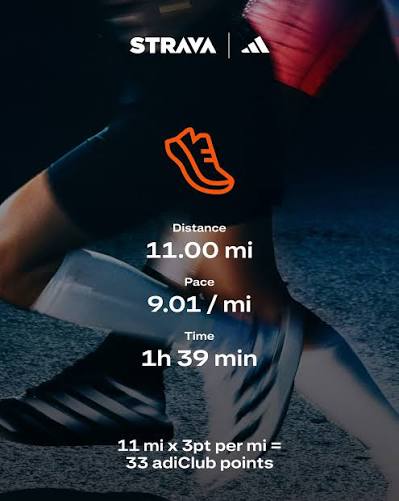
The adidas Strava partnership expanded in July 2026 with an integration allowing eligible users in the United States and Canada to earn adiClub points for activities logged on Strava. Running, walking, hiking and cycling all qualify, subject to the programme’s rules. The athlete can keep using Strava while participating in adidas’ membership programme. Strava’s announcement.
For sports brands, the useful question is what this arrangement leaves the brand’s own app to do. adidas Running already combines activity tracking with rewards. By adding another route into adiClub, adidas makes it possible to separate two decisions: where someone wants to train, and which brand programme they want to join.
From Runtastic to adidas Running: the Austrian connection
The story has roots in Austria. Runtastic was founded in 2009 and based in Pasching near Linz when adidas acquired it in 2015. Its running app became adidas Running in 2019. Alongside the new name, adidas announced that users would be able to earn points through its then Creators Club programme. The connection between exercise and brand membership was therefore part of the product’s development years before the latest Strava integration. The acquisition, the 2019 relaunch.
That history gives the partnership its interest. adidas has experience building and operating a branded training product. Its current offer accommodates people who choose a different place to record their sport, alongside those who use its own service.
How the adidas Strava partnership connects activity and rewards
The Strava connection requires an active choice by the athlete. Users link their accounts and authorise the sharing of activity data. Eligible GPS activities then count towards points automatically; manual entries do not qualify. Rewards are redeemed through adiClub, and users can disconnect the accounts. The integration is currently limited to the US and Canada. Strava’s product guidance.
The companies also had an existing relationship. Before this integration, US adiClub members could already spend points on a Strava subscription. July’s addition extended that relationship to earning points through activity on Strava.
For an athlete already happy with Strava, the practical appeal is straightforward: another benefit can attach to an existing habit. They can connect the accounts and keep recording on Strava. adidas gains a route into its membership programme that accommodates that choice.
What adidas Running offers beyond adiClub points
adidas Running continues to offer a substantial training product. Its current product page lists personalised running plans that adapt to feedback, a voice coach, activity statistics, challenges and event check-ins. Those are services a runner can evaluate on their usefulness during preparation and training. adidas Running.
This gives the brand’s app a job beyond administering incentives. A runner preparing for an event might value the guidance; another might prefer the experience they already have elsewhere. The existence of both routes allows those preferences to coexist within the membership offer.
What sports brands can learn about app strategy
The broader lesson is that a direct customer relationship can span several services. In this case, the activity happens on Strava, while membership and rewards sit with adidas. A brand can give customers a reason to participate without asking them to move every part of their sporting life into its own product.
For a sports brand planning its next digital investment, that suggests a concrete starting point: identify the customer habit you want to support and the services people already use for it. Then decide what your brand can add. A useful coaching programme may justify building a product of your own. Recognising an activity someone already records elsewhere may be better served by an integration.
The membership offer needs equal attention. Connecting a partner should lead to a clear reason to join, benefits worth returning for and an ongoing relationship with the brand. In assessing that investment, examine whether connected members stay active, redeem benefits and return to buy. For the training app, examine whether people use the guidance and keep coming back to train. Those measures help each team decide whether its part of the experience earns further investment.
Before commissioning another app feature, ask what would make a customer choose it if membership rewards were available through their preferred service too. If the answer is useful coaching, a distinctive experience or access they value, build around that. If the answer is simply that the brand wants the activity inside its own app, reconsider the brief.
Invest in the experiences customers have a reason to choose, and use partnerships to connect the habits they already have to a worthwhile relationship with your brand.